Why “We Should All Be Feminists“
Curated by Sabine Fellner
Assisted by Laurenz Fellner
Featuring artists: Elisa Andessner, Stella Bach, Julia Bugram, Katharina Cibulka, Bianca Ion, Lori Lako, Claudia Larcher, Lea Liebl, Anita Münz, Matilda Odobashi, Florentina Pakosta, Monika Pichler, Margot Pilz, Ness Rubey, Gabriele Schöne.
ZETA Center for Contemporary Art
30 September – 15 October 2026
30 September
18:00
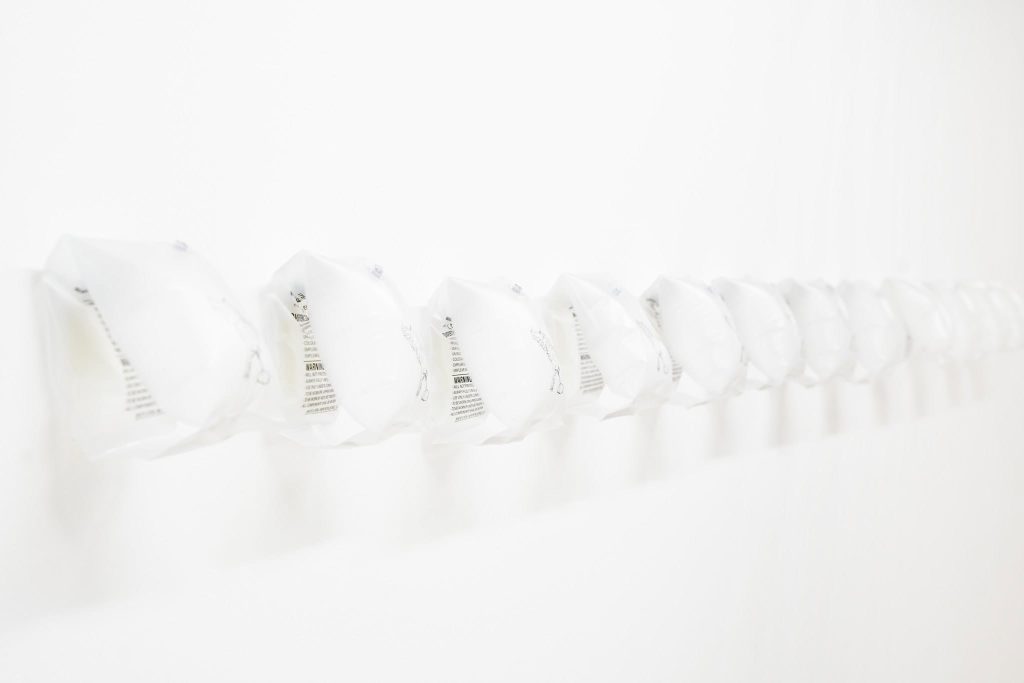
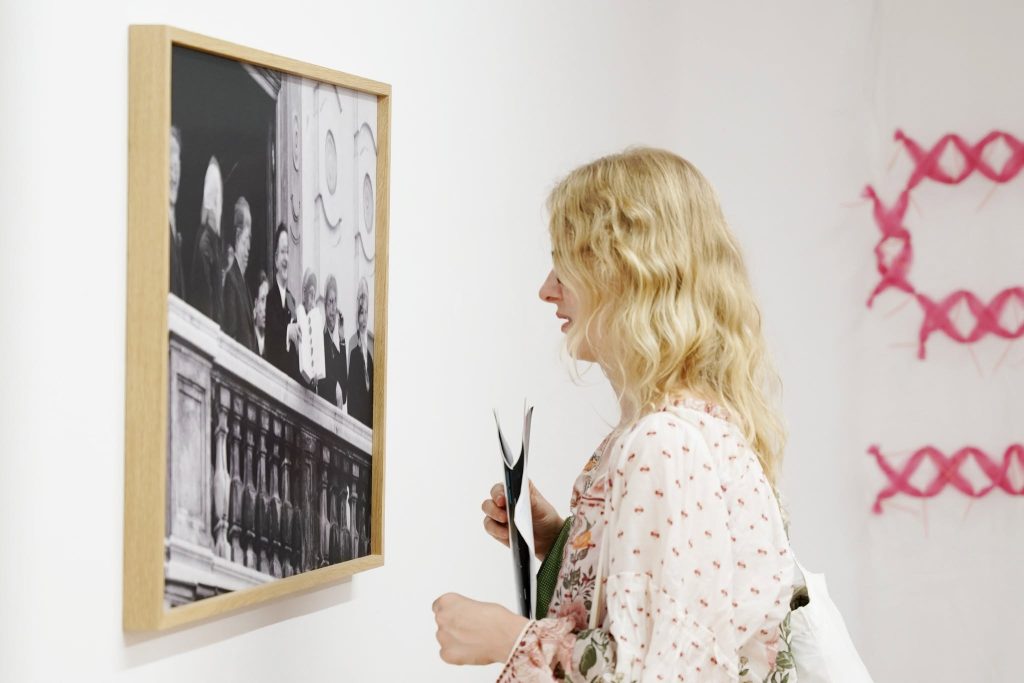
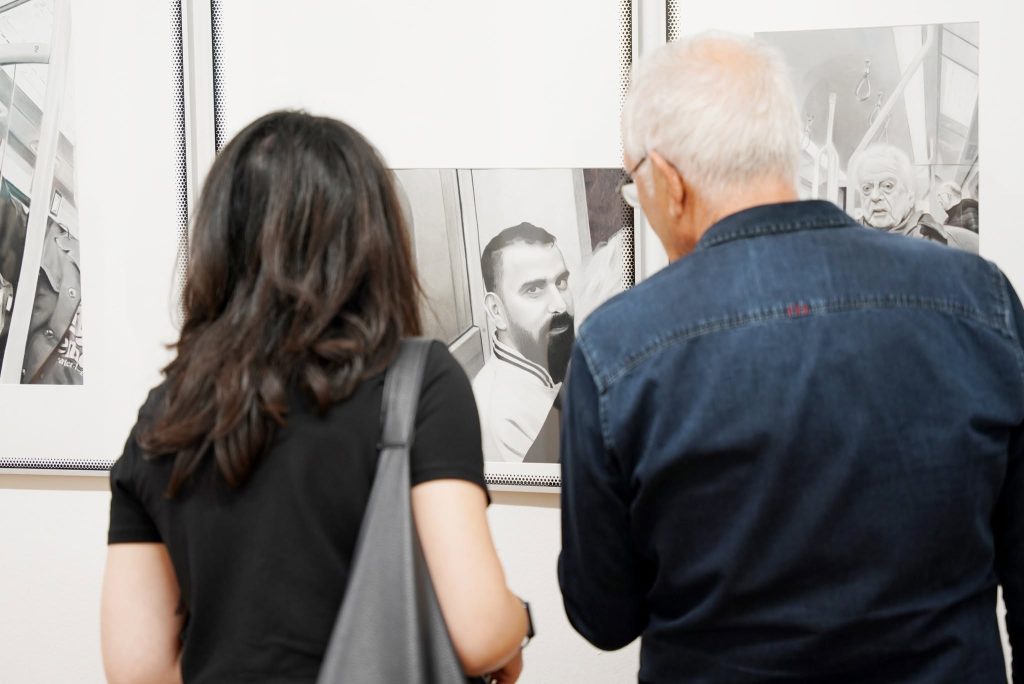
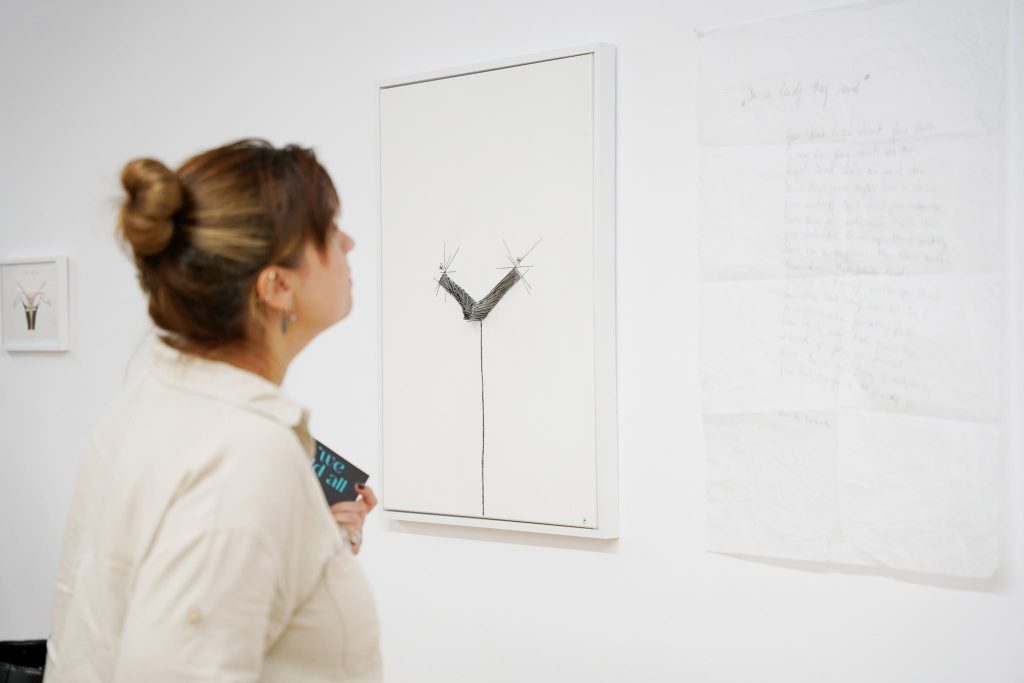
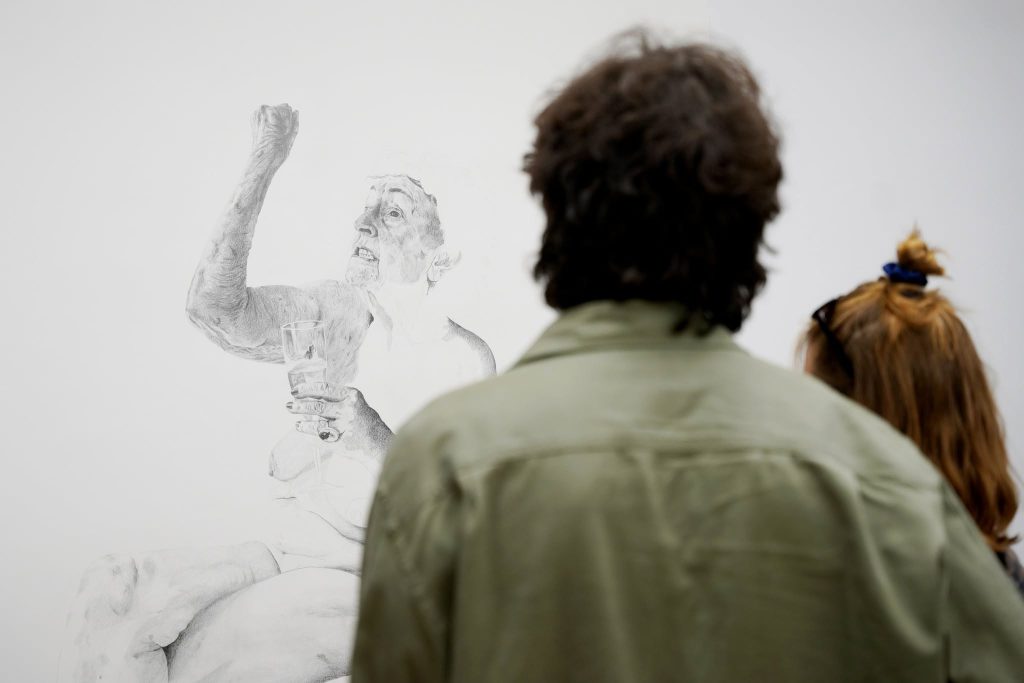
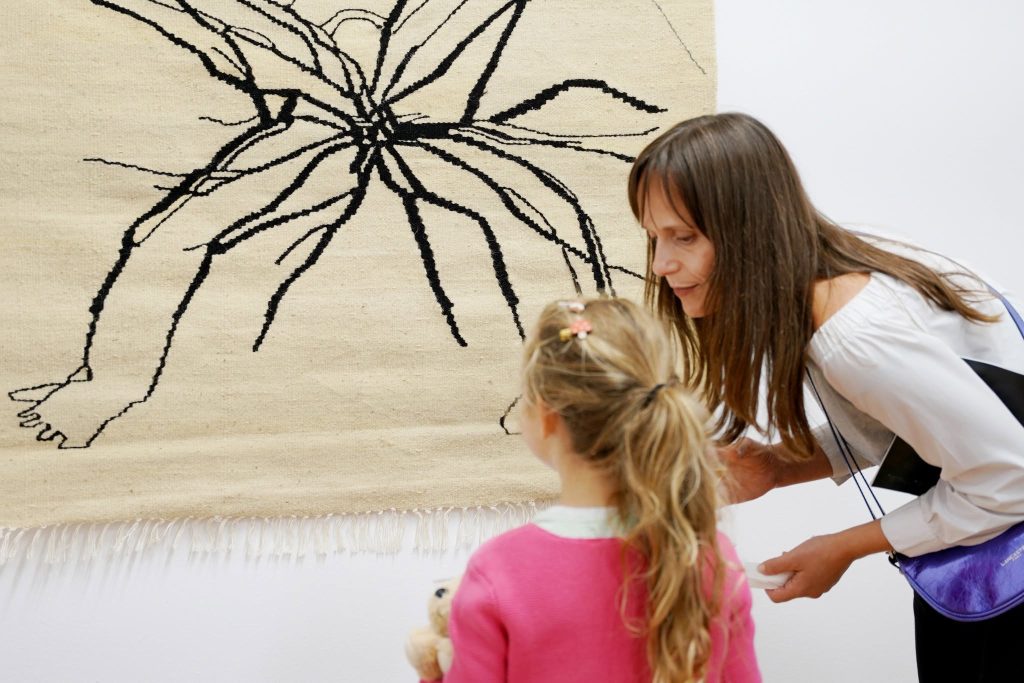
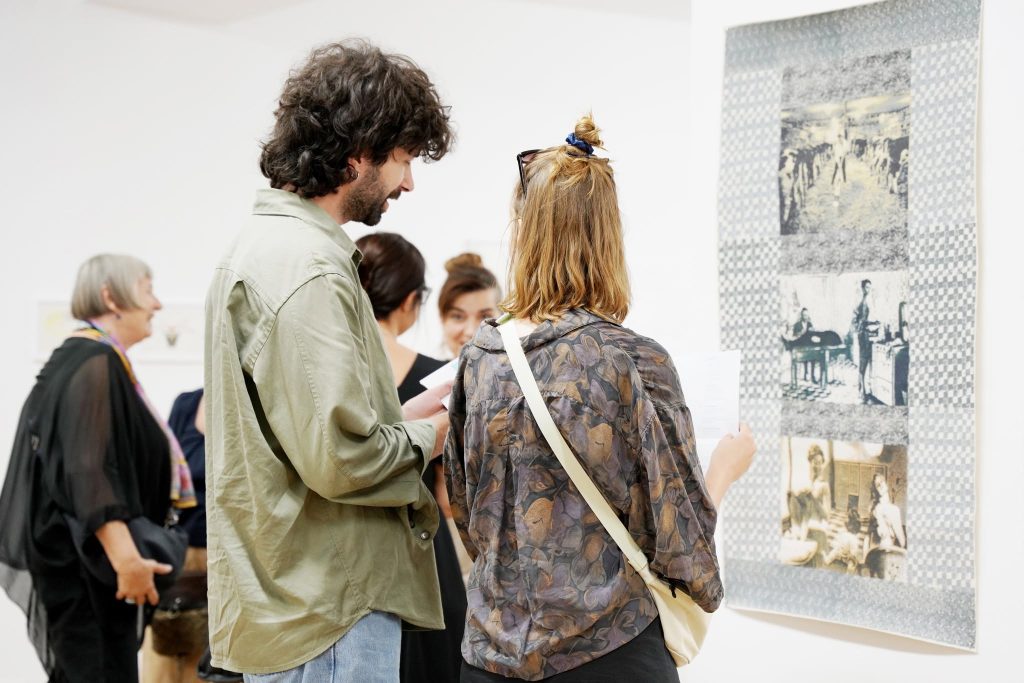
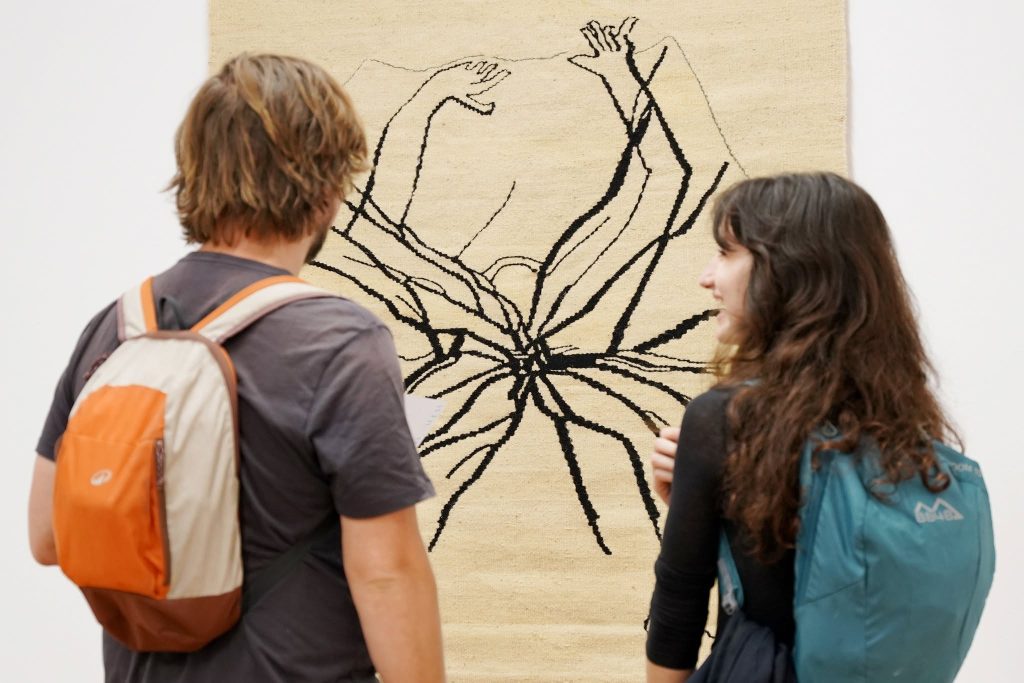
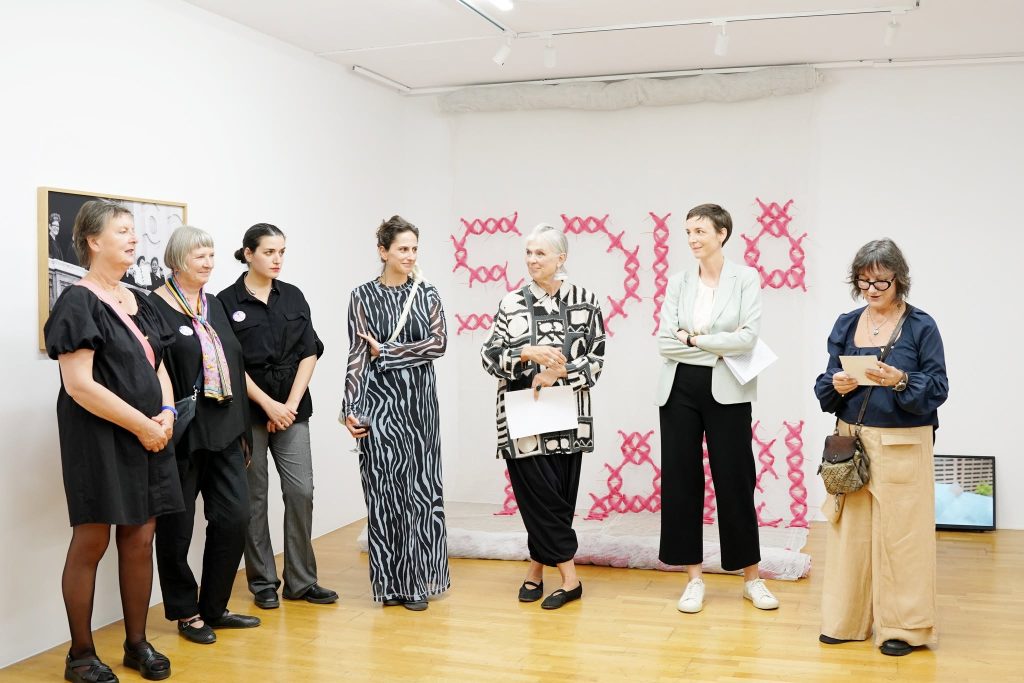
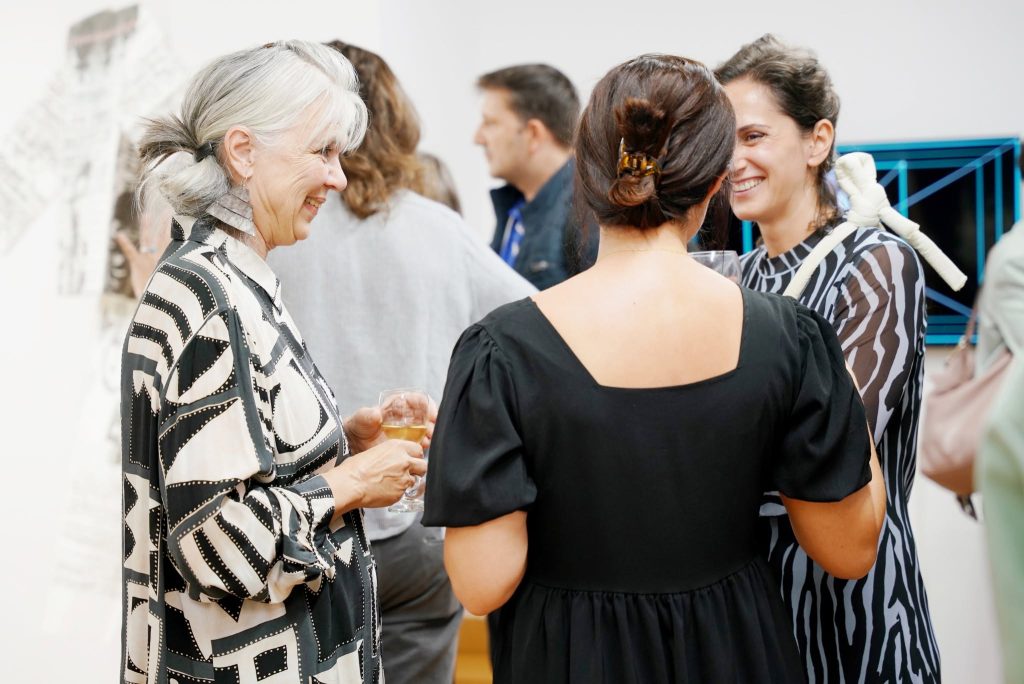
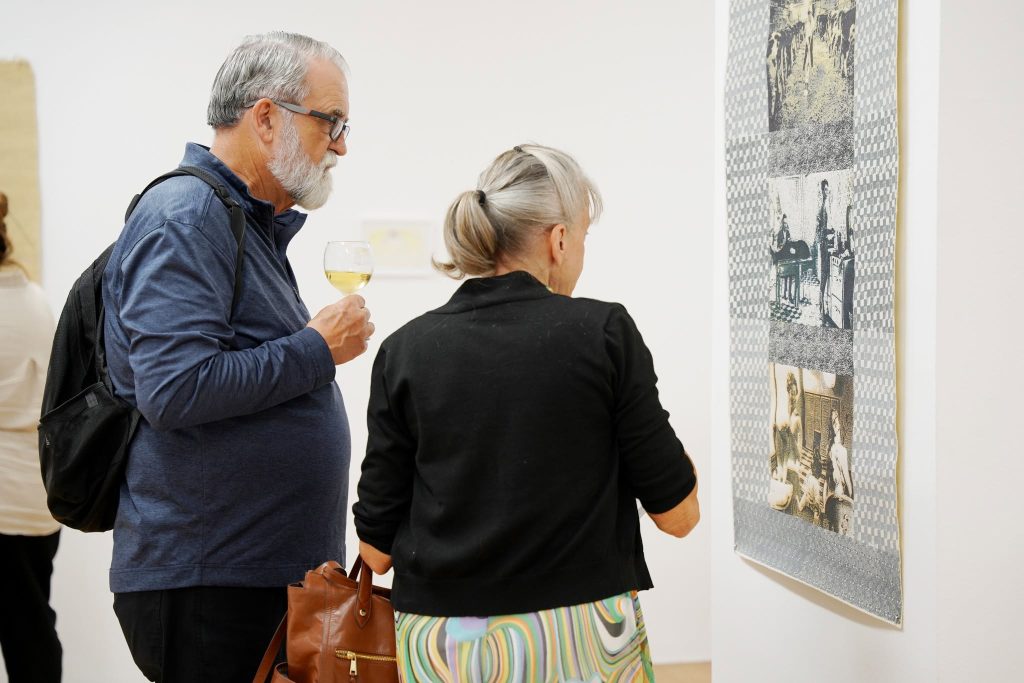
The exhibition series Why “We Should All Be Feminists” brings together artistic positions that explore questions of gender, identity, power, and social participation. It highlights how structural inequalities continue to profoundly shape and constrain people’s lived realities, and encourages us to establish social equality as an essential goal. The exhibition’s title is based on Chimamanda Ngozi Adichie’s essay, which advocates a contemporary definition of feminism as an aspiration and goal for everyone.
This project is made possible with the support of the Austrian Embassy in Albania, Raiffeisen Bank, Sigma Vienna Insurance Group, and Calliope.
Why “We Should All Be Feminists“
In 2012, Nigerian author and activist Chimamanda Ngozi Adichie gave her million-times-shared talk entitled We Should All Be Feminists at the TEDxEuston innovation conference in London, advocating for a fairer and more equal world for all people regardless of gender and cultural identity. [1] It was a feminist manifesto that went around the world and promised great hope for the ongoing development of equality.
More than ten years later, in 2026, we seem to be experiencing an international backlash. Although much has been achieved in terms of legal equality for women, the reality of life is different. The international tradwife trend, as well as discussions about stay-at-home allowances, propagate a backward-looking worldview and thus oppose actual gender equality. In Austria, one in three women currently experiences violence and the number of femicides is alarmingly high compared to the EU average. Gender-based violence within the family continues to affect women and girls worldwide.
Gender still influences social position, resources, rights, economic interests, and perspectives. “ Gender matters. Men and women experience the world differently. Gender colors the way we experience the world. But we can change that,” says Chimamanda Ngozi Adichie.
Feminist artists have achieved a great deal in the fight for equality, but “THE ACHIEVEMENTS OF OUR GENERATION ARE FRAGILE,” warns Annegret Soltau, one of the most important feminist artists of the 1970s.[2] She makes it clear that the achievements of the international feminist avant-garde formed in 1968 and IntAkt (International Action Group of Female Visual Artists), founded in Austria in 1977, must be reinforced and underpinned on a daily basis.
Where do we stand half a century after women radically questioned the mechanisms of power in society and gender relations?
Artists: Elisa Andessner, Stella Bach, Julia Bugram, Katharina Cibulka, Bianca Ion, Lori Lako, Claudia Larcher, Lea Liebl, Anita Münz, Matilda Odobashi, Redina Qose, Florentina Pakosta, Monika Pichler, Margot Pilz, Ness Rubey, Gabriele Schöne
Curator: Sabine Fellner
Curatorial Assistant: Laurenz Fellner
[1] Wir sollten alle Feministen sein. Chimamanda Ngozi Adichie |TEDxEuston, December 2012. https://www.ted.com/talks/chimamanda_ngozi_adichie_we_should_all_be_feminists?language=de abgerufen am 3.6.2025
[2] Whitehot Magazine June 2025 “The Best Art In The World”. https://whitehotmagazine.com/articles/offensive-interview-with-annegret-soltau/5315