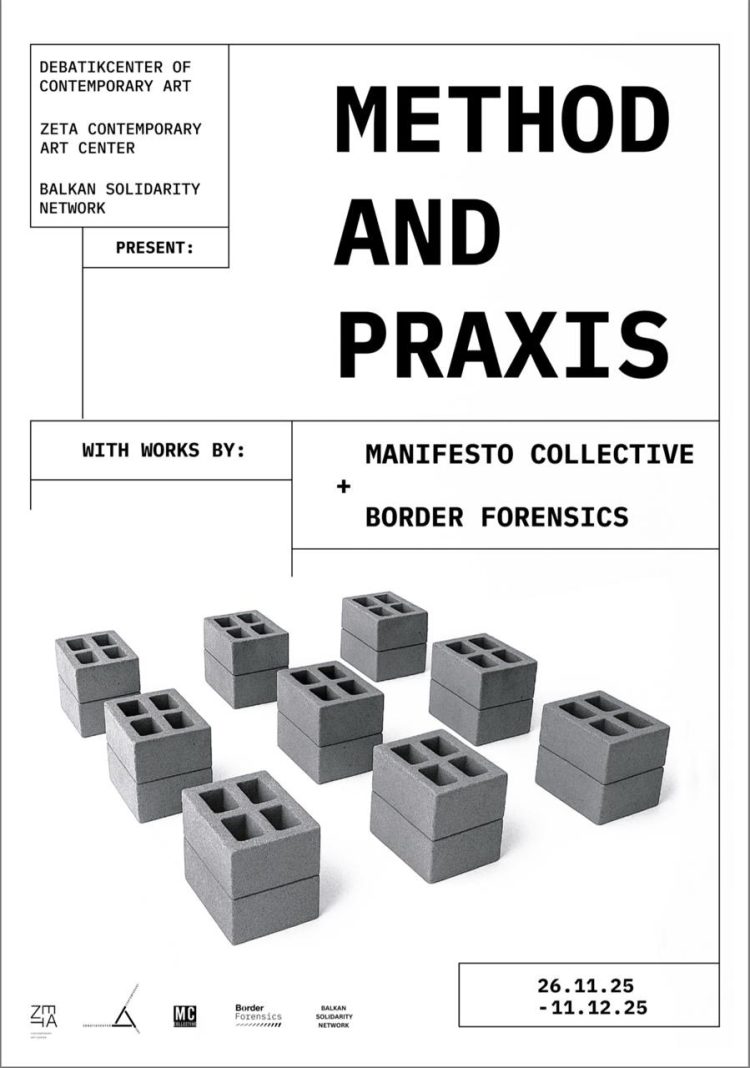
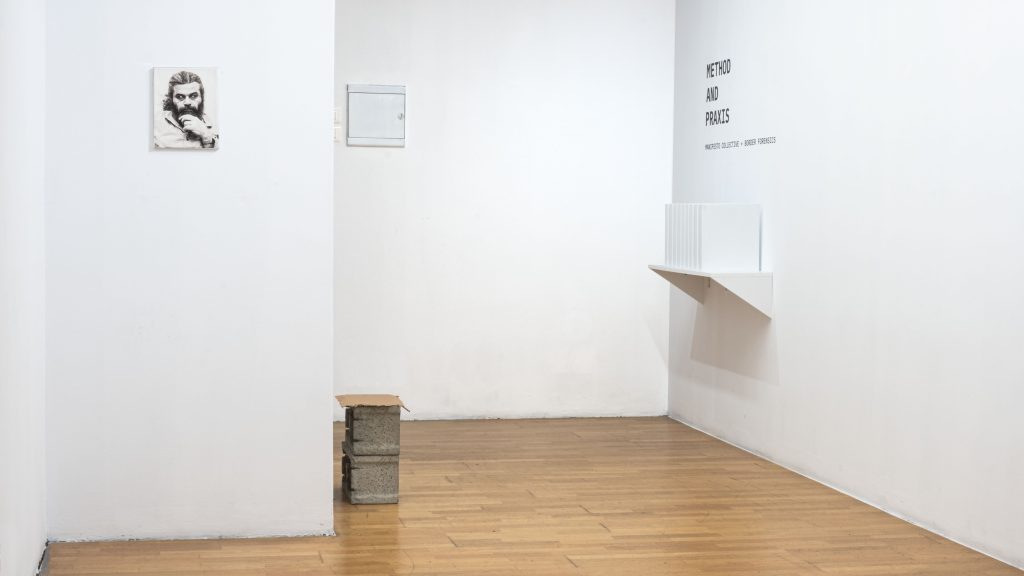
METHOD AND PRAXIS : MANIFESTO Collective + Border Forensic
Opening: 26.11.2025 – 12.12.2025
METHOD AND PRAXIS is an exhibition that brings together the work of MANIFESTO Collective and Border Forensics, showcasing a multilayered process of investigative and creative research.
“Albania is neither a destination nor a transit station but a space perpetually reconfigured to fit shifting geo-political interests—an open-air processing zone where isolation and oblivion are reframed as hospitality.”
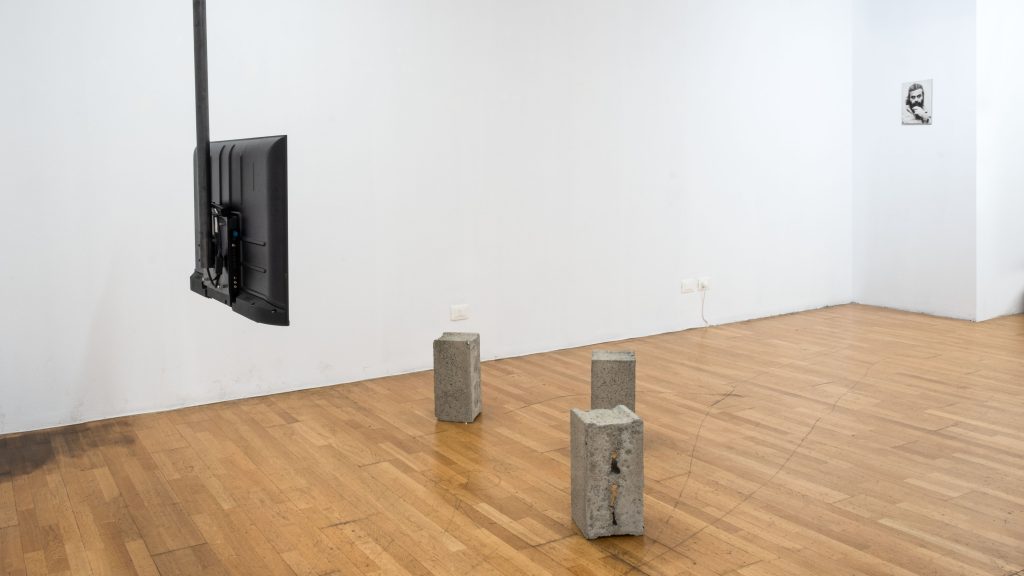
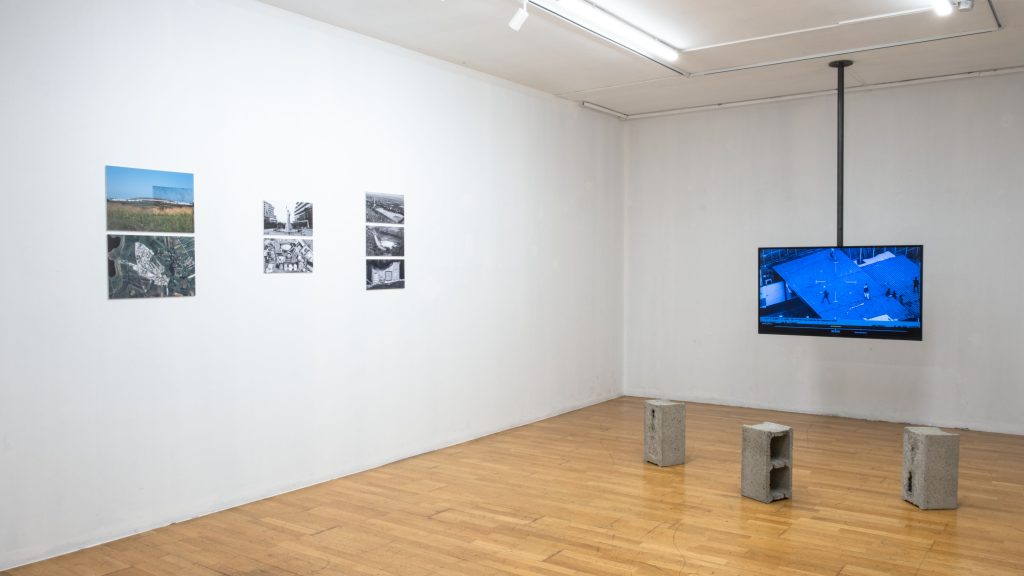
Drawing on the investigative practices of MANIFESTO Collective and Border Forensics, the exhibition METHOD AND PRAXIS is divided into two zones, presenting several dossiers.
One zone is dedicated to specific cases that reflect the current political situation in Europe and the involvement of the political class in the deterioration of the rule of law, freedom of the press, and the increasingly demanding work of investigative journalism. Border Forensics presents murder of Roger Nzoy Wilhelm, a Black Swiss and South African man, casting a light on the systemic racism in Switzerland, while MANIFESTO Collective presents the cases of Ardit Gjoklaj, a minor who worked and got killed at a landfill controlled by the Municipality of Tirana, and Khalid El-Masri, a German citizen kidnapped by the CIA and subsequently abandoned in Albania. Geopolitical exploitation blends here harmoniously with local authoritarian practices.
This ongoing fusion of illegality with power and politics has led to the creation of several extraterritorial areas within Albania that will be further explored in the second zone of the exhibition, entirely dedicated to the camp. The Nador-Melilla border trap massacre investigated by Border Forensics is displayed alongside local investigations into the camp of Mojahedin-e-Khalq (MEK), relocated from Iraq under a US-brokered deal; the Uyghurs released from Guantanamo Bay and stranded in Albania as stateless persons; the Afghans evacuated after the US withdrawal from Afghanistan, many of whom are still awaiting resettlement; and the Italian extraterritorial migrant detention center in Gjadër, which reinforce the pattern of Albania being an open-air processing zone, while secret negotiations reportedly considered the relocation of 100,000 displaced Palestinians to be deported to Albania.
MANIFESTO Collective is a nexus of artists, filmmakers, scholars, activists, architects, writers, publishers, journalists, translators, critics, curators, cultural theorists, and imaginary and real collectives, Albanian or not, gathered to reflect on the current state of contemporary art in Albania and beyond, with the aim of provoking a “momentum” capable of breaking and reformulating the current artistic and historical narrative. The five-year MANIFESTO project (2021–2025) proposed a new movement in the visual, cinematographic, theoretical, and political arts aiming to deconstruct the country’s past along with its current neoliberal consolidation, offering a critical rearguard retrospective that focuses on social reality and proposes a new historical narrative of Albanian arts and society.
MANIFESTO Collective full cast & crew: Arie Amaya Akkermans, Valentin Begarin, Boris Budini, Jonida Gashi, Vincent W.J. van Gerven Oei, Iris Hide, Scarlet Hori, Raino Isto, Klodi Jahaj, David Kampi, Jora Kasapi, Ataol Kaso, Valentina Koça, Shpëtim Koloshi, La Société Spectrale, Sonja Lau, Armando Lulaj, Ylber Marku, Marco Mazzi, Wendy Morava, Redon Skikuli, Victor Strato, Underground Movement, Pleurad Xhafa.
Border Forensics is an agency mobilising innovative methods of spatial and visual analysis to investigate practices of border violence, wherever this violence might take place. Working collaboratively with migrant communities and non-governmental groups, we aim to promote and defend the dignity and rights of migrants and to foster mobility justice. Border Forensics builds upon the work that we have conducted over the last 10 years within the Forensic Oceanography project, through which we have sought to critically investigate the militarised border regime imposed by European states across the EU’s maritime frontier. While the Mediterranean remains one of the deadliest border zones in the world, we have set up Border Forensics as a non-profit association based in Geneva to conduct research and carry out investigations with and in support of communities exposed to border violence – broadly understood as the different forms of harm resulting from the existence and management of borders, wherever this violence takes place.
Team: Research Director: Charles Heller; General Manager: Natalina Haller; Public Visibility Coordinator: Jelka Kretzschmar. IT: Jelka Kretzschmar (tools and infrastructure); Luca Obertüfer (infrastructure maintenance), MoraadTaleeb (web development); Co-investigators & research fellows: Sarah Bachellerie, Kamil Dalkir, Cristina Del Biaggio, Sélim Clerc, Filippo Furri, Natalina Haller, Munia Hassoun, Mahmoud Keshavarz, Tomislav Levak, Elio Panese, Giovanna Reder, Rhoumour Tchilouta, Peter Teunissen; Digital Cartographers: Jack Isles, Svitlana Lavrenchuk. Geospatial analysis:Stefanie Helfenstein, Stanislas Michel; Spatial analysis: Nico Alexandroff; Remote sensing: Rossana Padeletti; Documentary film-making: Frédéric Choffat; Programming: Zac Ioannidis; Graphic design: Jelka Kretzschmar, Robert Preusse.

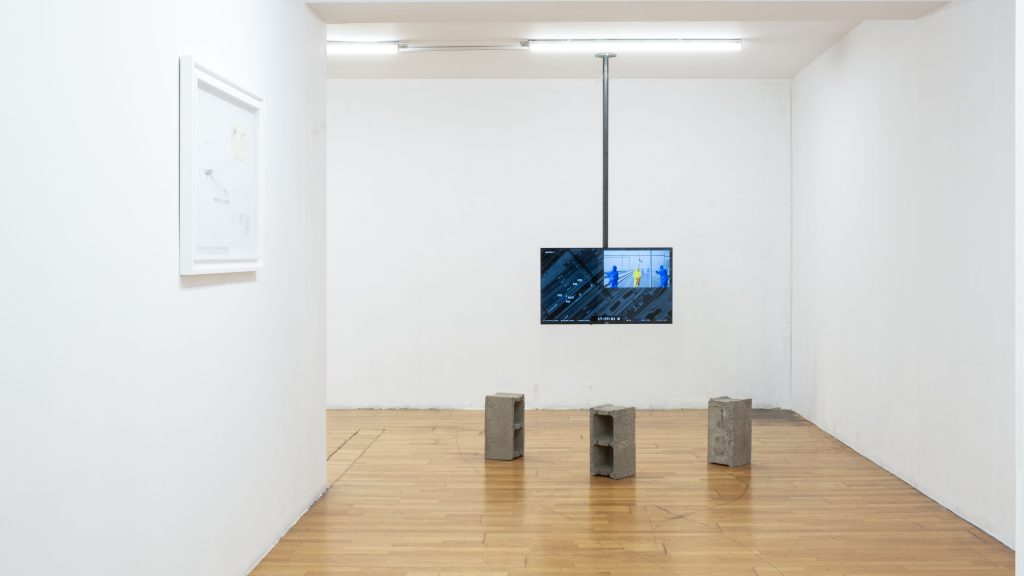
DOSJE (Contexts)
by Manifesto Collective
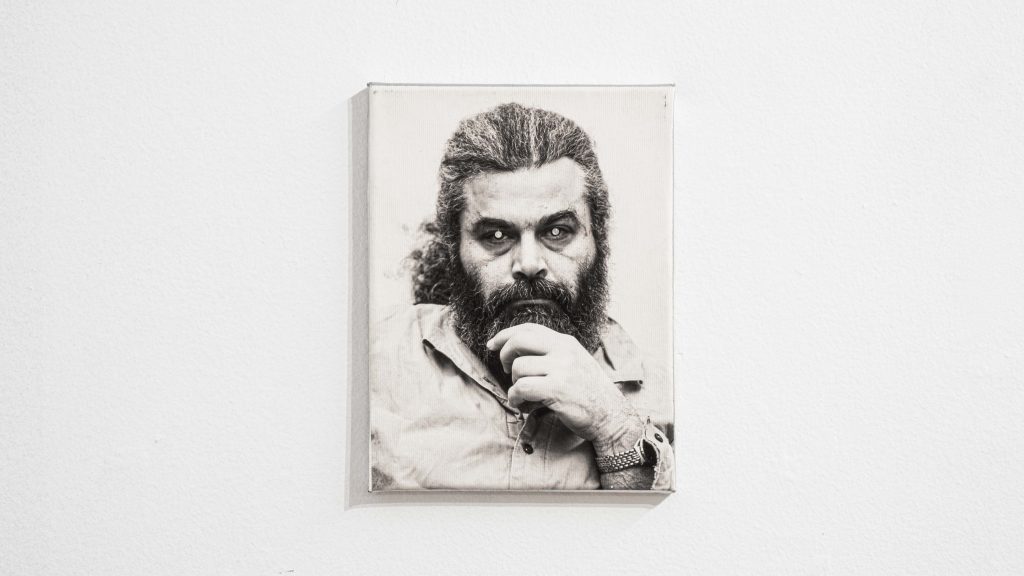
DOSJA #1: KHALED EL-MASRI
The Visitors (Khaled El-Masri)
by David Kampi
B/w print on canvas, chrome paint, nails, 24×18cm
2013-2018
Courtesy of The Estate of Armando Lulaj
“I pictured myself like the images I had seen in the media of the Muslims that were brought to Guantánamo.”
Albania possesses the singular creative power to assemble unusual narratives that pierce gaps in time, creating ellipses and parallel events, crafting stories that simultaneously reflect and distort official narratives.
For example, several unsuspected historical figures are rumored to have visited Albania for a very short period under obscure circumstances: Che Guevara’s undocumented visit, the young Yasser Arafat, who was said to have trained in Albania, Jean Genet’s visit to Durrës and Tirana after he had just deserted the army, Einstein’s escape from the Nazis through Albania… These strange visitors, whether documented or not, show how the meaning of our ever-evolving identity and territoriality is shaped by other political forces.
Khaled El-Masri, a German–Lebanese–French citizen, was born in 1963 in Kuwait. He is yet another of these strange visitors, an example of the insane war on terror and the significance and exploitation of Albanian territory by the US intelligence system. El-Masri was arrested by the Macedonian police in 2003 because his name was similar to that of another terrorist wanted by the US. He was then handed over to the US Central Intelligence Agency (CIA), who beat, sedated, and extracted him to the Salt Pit black site in Afghanistan. Held under inhumane conditions, he was subjected to repeated beatings, rape, and violent interrogations.
In 2004, El-Masri began a hunger strike that nearly led to his death. Eventually, CIA director George Tent was informed by his staff that El-Masri was being unjustly detained. National Security Advisor Condoleezza Rice subsequently learned of the German citizen’s detention and ordered his release on May 28, 2004. During this process, overseen by Germany, the US feared that the media might reveal the covert rendition program designed to capture terrorist suspects abroad and transfer them illegally to black sites. The CIA thus smuggled El-Masri out of Afghanistan and dumped him at night on a deserted road in Albania, hoping he would simply “disappear.”
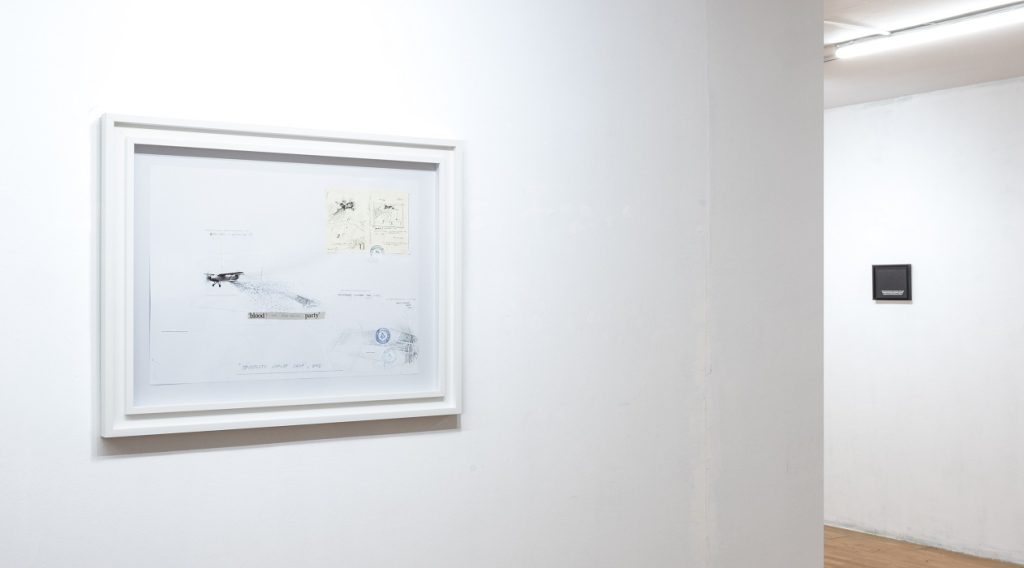
DOSJA #2: MANIFESTO LEAFLET DROP
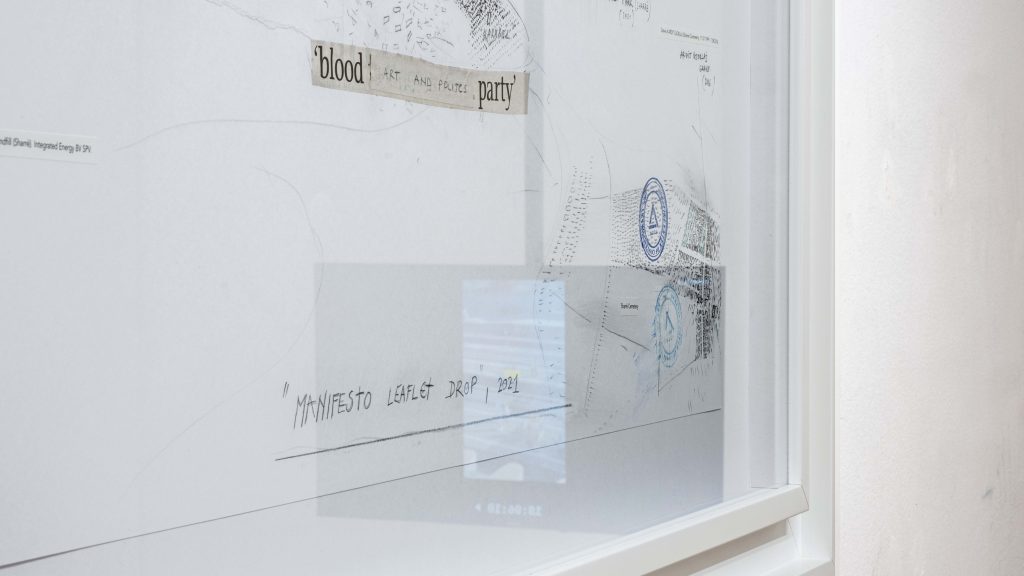
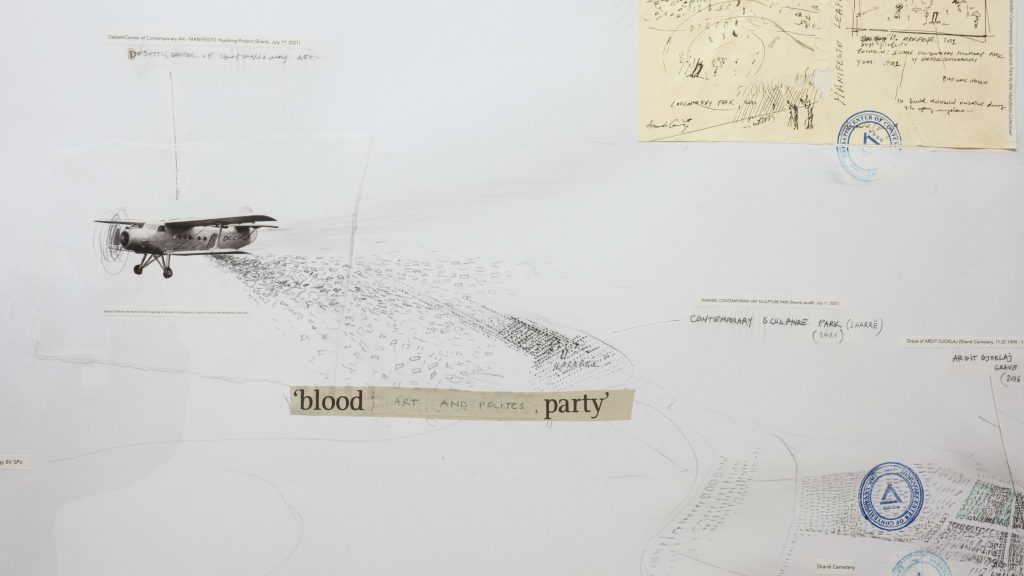
Manifesto Leaflet Drop
by MANIFESTO Collective
Collage, paint, drawing on paper, 50x70cm
2021
Courtesy of MANIFESTO Collective and The Estate of Armando Lulaj
“The case of Ardit Gjoklaj represents a pivotal moment in which investigative journalism and contemporary art have come together and clashed with politics to expose the cover-up of a crime.”
On August 7, 2016, Ardit Gjoklaj, a 17-year-old unregistered child laborer at the company 3R, which managed the Tirana landfill under a tender of the Municipality of Tirana, died. According to the autopsy report, Gjoklaj had died at night because he was sleeping, presumably from exhaustion, within the perimeter of the landfill and was crushed to death by an excavator.
The contracting company, managed by a local chief of the Socialist Party, the Municipality of Tirana, and Mayor of Tirana Erion Veliaj attempted to silence and cover up the death. Several investigations on the case were banned, and two investigative journalists were fired as a result of their reporting on the case. Ultimately, no one in a position of real authority or power was imprisoned or held accountable for Gjoklaj’s death.
In 2021, Harabel Contemporary, an art foundation founded in Tirana in 2017 by the mayor’s wife, Ajola Xoxa, and directed by artist Driant Zeneli, planned to transform part of the landfill into an idyllic contemporary sculpture park, despite the sensitivity of the site due to Gjoklaj’s death. Harabel Contemporary inaugurated the sculpture park on July 1, 2021 with a work by Kosovar artist Sislej Xhafa, in the presence of a large group of art workers from the Albanian art scene.
As a first response, MANIFESTO Collective had planned to organize a performative action by renting a plane to drop leaflets during the opening ceremony of the sculpture park. Exhibited is a draft of the action that never materialized. Subsequently, MANIFESTO Collective launched a five-year plan specifically to respond to these types of artwashing deployed in the local Albanian art scene by various actors. The result has been years of exhibitions, conferences, publications and performances.
Today, any trace of the sculpture park has disappeared, while the landfill itself is at the center of a massive corruption scandal. The Mayor of Tirana is in pretrial detention, indicted on nine charges. Harabel Contemporary has been closed down and is under investigation. Its directors, advisory board, and staff have yet to take responsibility for their actions, including those related to the sculpture park project. Meanwhile, its advisers have transitioned to assisting the Albanian Visual Arts Network (AVAN), a newly established Albanian art conglomerate that appears to have taken Harabel’s place. To be continued…
DOSJA #3: THE DEATH OF ROGER NZOY WILHELM
The Death of Roger Nzoy Wilhelm
by Border Forensic
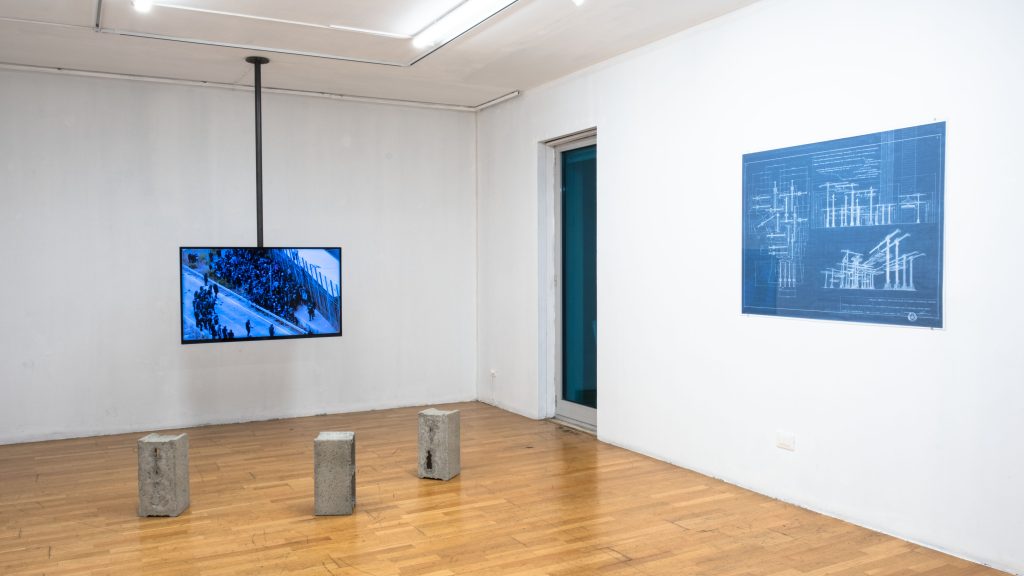
Video, color, sound, 20’08”
2025
Courtesy of Border Forensic
https://www.borderforensics.org/investigations/nzoy/.
On 30 August 2021, Roger Nzoy Wilhelm, a 37-year-old Black Swiss and South African man, was killed by the police at Morges railway station, Switzerland. Four years after the event, and following two failed attempts by the public prosecutor to close the case, neither truth nor accountability have been established. At the request of Nzoy’s family, Border Forensics, in collaboration with the Independent Commission of Inquiry on the Death of Roger Nzoy Wilhelm, has conducted a counter-investigation. While Border Forensics has to date focused on the continuum of border violence that affects the trajectories of migrants, this investigation focuses on the violent policing of the boundary of race and the way it materialises within societies. Our analysis of the circumstances of Nzoy’s death demonstrates that while he was in psychological distress, the police officers’ inaccurate and biased perception of him as a threat led them to prioritise the use of lethal force over assistance and care. We further locate Nzoy’s killing in relation to other cases of police-related deaths in Switzerland and analyse the structural conditions that have enabled them. We conclude that the othering of Nzoy, including his racialisation as a “man of colour” read in combination with his masculinity and psychological distress, shaped the police response that led to his death.
DOSJA #4: READYMADE TERRORISTS
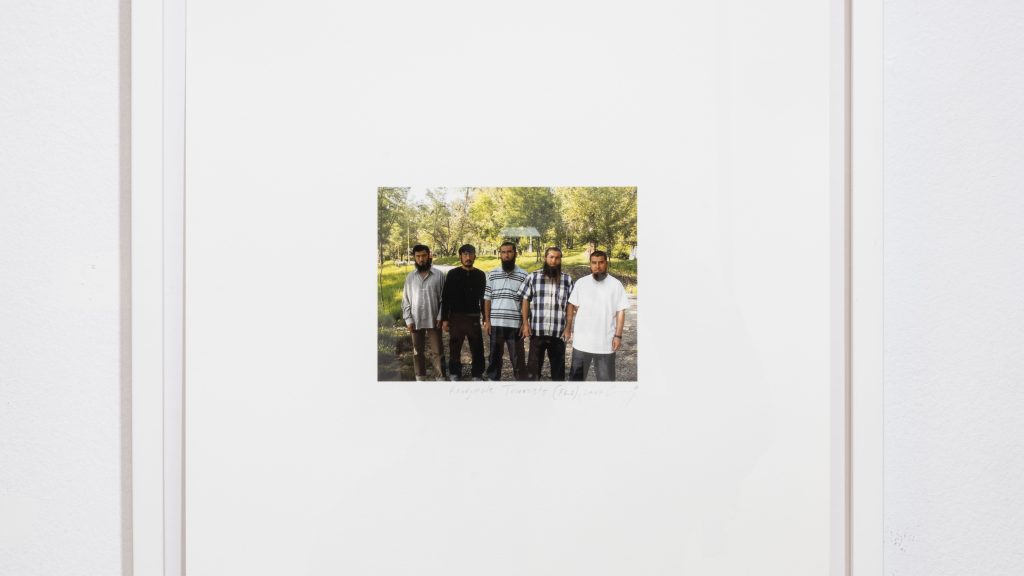
Readymade Terrorists (FGD)
by David Kampi
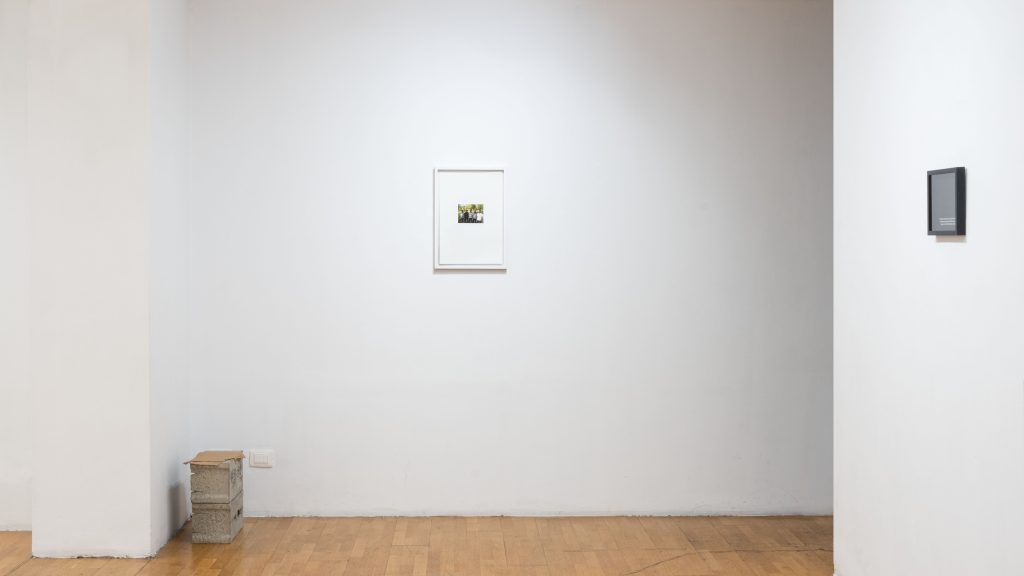
C-print, 10x13cm on velvet photographic paper, 30x42cm
2007
Courtesy of The Estate of Armando Lulaj
“The Americans, they just threw us away. They kept telling me that the Taliban were terrorists and accused me of collaborating with the Taliban, but now they are collaborating with the Taliban.”
During the Afghan War (2001–2021), a protracted armed conflict that began with the invasion of Afghanistan by a US-led coalition, called Operation Enduring Freedom, in response to the September 11, 2001 attacks, five Muslim Uyghurs from China’s Xinjiang autonomous region were captured in Afghanistan by Afghan and Pakistani bounty hunters in 2002. At the time, Xinjiang was an area where many Muslim Uyghurs were demanding greater autonomy, while the government of the People’s Republic of China had committed a series of human rights violations against Uyghurs and other Muslim minorities of Turkic origin in Xinjiang, often described as persecution or genocide.
The five Uyghurs, named (from left to right) Ahmed Adil, Haji Mohammed Ayub, Akhdar Qasem Basit, Adel Abduhehim, and Abu Bakr Qasim, had been captured under the suspicion of being Taliban collaborators, and sold to the US military who held them in extrajudicial detention at the at Guantanamo Bay detention camp. However, the US failed to prove their involvement in terrorist activities and determined in 2006 that they were “no longer enemy combatants,” transferring them to Albania, which had agreed to grant them asylum despite knowing the other geopolitical repercussions. In May of the same year, China demanded that Albania hand over five Uyghurs.
On June 10, 2007, the US President George W. Bush visited Albania. On the day of the visit, the five Former Guantanamo Detainees, who were living in Tirana, were deported by Albanian intelligence services to Vlora, away from the presidential visit.
DOSJA #5: THE MUJAHEDIN-E-KHALQ CAMP
The Mujahedin-e-Khalq Camp
by La Société Spectrale
C-print, satellite view (Manzë, Albania), 45x30cm
2024
Courtesy of MANIFESTO Collective
Manzë Test
by La Société Spectrale
B/w photo, Site-specific intervention, 45x30cm
2018
Courtesy of MANIFESTO Collective
“In the organization, I learned all about guns and killing people. Many of these people you see here are not people, but war machines.”
The People’s Mojahedin Organization of Iran, also known as the Mojahedin-e-Khalq (MEK), is an armed political group formerly listed as a foreign terrorist organization by the US and Europe. These designations were eventually removed in 2009 and 2012, respectively, following lobbying efforts that subsequently paved the way for the group to transform into one of the main opposition voices against the Iranian regime. However, the group lacks real popularity and support among the Iranian people and might be rather considered a political cult.
Most of the MEK members were resettled from Iraq to Albania between 2013 and 2016 for humanitarian reasons following the fall of Saddam Hussein. The first 210 mujahedeen arrived in Albania in 2013, toward the end of Sali Berisha’s second term as Prime Minister. Another 3000 Mujahedeen relocated from Camp Ashraf in Iraq to Albania in 2016, following an obscure deal between Prime Minister Edi Rama and US Secretary of State John Kerry. The current number of MEK members hovers around 5,000 people.
MEK is headquartered at Camp Ashraf 3, located in Manzë, around 20 km from the Albanian capital Tirana. The camp is virtually inaccessible to outsiders, and the group is extremely guarded in their interactions with anyone from the outside world. While mainstream Albanian media outlets reported on the frequent presence of high-ranking US administration figures and prominent Albanian politicians at the group’s meetings and receptions, it showed a notable lack of investigative interest in MEK’s presence in Manzë, essentially refusing to report on the group’s activities and history.
MEK’s presence in Albania is highly controversial in part because of the political activity, particularly cybercrime, that continues to take place in the Manzë camp. In 2022, Albania severed diplomatic relations with Iran after a massive cyberattack on the Albanian government’s digital infrastructure, which was attributed to Tehran in retaliation for the presence of MEK, which it continues to consider a terrorist organization, on Albanian soil. In September 2025, it was announced that the MEK was under criminal investigation in Albania on suspicion of cybercrime and incitement to war.
Furthermore, MEK members appear to have been regularly subjected to all manner of psychological and physical abuse to completely detach themselves from all earthly ties and join their leader, Maryam Rajavi, whom they call “Maryam the Ever-Brightening Sun.” Many of them have left the camp, fled, and are living in harsh conditions in Tirana, under surveillance by the Albanian secret services. For years, members of La Société Spectrale have investigated and photographed the camp, and even met some of the deserters. The piece “Manzë Test,” which depicts a billboard installed near the camp and reflects the camp like a Rorschach test, is attributed not only to the psychological pressure of those who lived there, but to the territoriality of Albania itself, which is becoming a reflection of a camp itself.
DOSJA #6: AFGHAN RESORT
Afghan Resort
by MANIFESTO Collective
B/w photo, satellite view (Rafaelo Resort, Shëngjin, Albania), 35x20cm
2025
Courtesy of MANIFESTO Collective
Statue of Liberty Replica
by MANIFESTO Collective
B/w photo (Rafaelo Resort, Shëngjin, Albania), 35×20 cm
2025
Courtesy of MANIFESTO Collective
“I thought for a moment that perhaps I was in New York, but the statue, made of plaster instead of copper and located in northern Albania, was much shorter than the real one.”
The war in Afghanistan (2001–2021) is estimated to have resulted in the deaths of more than 200,000 people, including 46,319 Afghan civilians and displacing 2.6 million Afghans. The war in Afghanistan ended in 2021 with the shameful withdrawal of the United States, leaving the country in devastating conditions and handing over power to the Taliban, who declared victory.
Thousands of Afghans were helped by the United States to leave the country. Most of them had worked for US agencies, they were journalists, activists, former government officials, and their families who had worked with international forces. Following a request from the United States, Albanian Prime Minister Edi Rama immediately accepted the request to serve as a temporary transit point for 4,000 Afghans, stating it was a moral duty and a sign of solidarity with his allies. These Afghan refugees have settled in the Shëngjin and Durrës areas, awaiting approval of their visas and resettlement in the United States and Canada.
However, the resettlement process in the United States has been significantly delayed, leaving many displaced people in a prolonged state of limbo. Many Afghans who are still in the territory of Albania are experiencing stress, anxiety, and financial hardship due to the uncertainty of their situation and the inability to work.
DOSJA #7: CPR (GJADËR CAMP)
CPR (GjadërCamp)
by MANIFESTO Collective
Drone view (Gjadër, Albania), 35x20cm
2025
Courtesy of MANIFESTO Collective
Preliminary Notes for a Film on the Migrant Detention Center in Gjadër
by MANIFESTO Collective
Still frame, 35x20cm
2024
Courtesy of MANIFESTO Collective
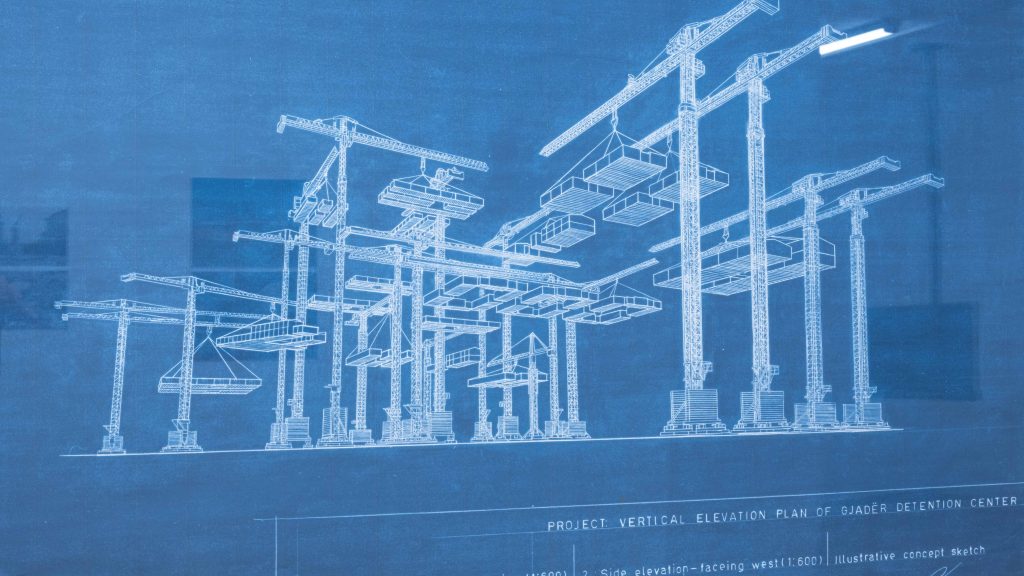
Vertical Elevation Plan
by Pleurad Xhafa
Blueprint, 120x90cm
2025
Courtesy of MANIFESTO Collective and Pleurad Xhafa
“We have internalized the abuse we experienced as migrants to such an extent that we are now doing it to others.”
The Gjadër camp was built following the agreement between Fascist Italian Prime Minister Giorgia Meloni and Albanian Prime Minister Edi Rama, granting Italy an extraterritorial and extralegal area for the detention and deportation of refugees. Initially meant for offshore processing of refugees picked up in the Mediterranean, the camp is evolving into an illegal extraterritorial extradition zone for the repatriation of migrants to “safe” countries.
The migrant camp was not born of the will of any segment of the Italian population or any part of the Albanian people; rather, it can be explained as a political tool of the two prime ministers, exploiting tragedy and despair to legitimize the creation of an extraterritorial and extralegal space on Albanian soil. This place is intended for those whom Italy rejects (just as, in the early 1990s, happened to the Albanians themselves), while for Albania it secures an ally on a continent sliding toward fascism. It represents a form of erasure—of memory, of human responsibility, and of the resistance that was once exercised in the name of welcoming the other.
Meanwhile, political discourse, nearly always at the behest of Albanian Prime Minister Edi Rama, continues to reframe Albania’s role on the world stage, turning it into an instrument of imperialist governance…
DOSJA #8: THE NADOR-MELILLA BORDER TRAP
The Nador-Melilla Border Trap
by Border Forensic
video, color, sound, 42’20”
2024
Courtesy of Border Forensic
On 24 June 2022, some two thousand migrants attempted to cross the border fence separating the city of Nador, in the northeast of Morocco, from the Spanish-controlled enclave of Melilla. The violent repression inflicted on them by Moroccan and Spanish law enforcement agents turned the Barrio Chino border crossing into a death trap and resulted in a mass grave. The Moroccan authorities have acknowledged 23 deaths, but according to the Moroccan Human Rights Association in Nador at least 27 people were killed, and more than 70 remain disappeared to this day. What happened on 24 June 2022? How and by whom was the Barrio Chino border post turned into a death trap? To answer these questions, for more than a year Border Forensics investigated with Irídia-Center for the Defense of Human Rights and the Moroccan Association for Human Rights (AMDH), as well as other civil society actors on both sides of the border. Furthermore, we benefited from the additional advice of the European Center for Constitutional and Human Rights (ECCHR). By articulating our analysis of the massacre across different spatial and temporal scales, we attempted to understand not only the sequence of events and the practices of the actors present on 24 June 2022, but also the structural conditions that made the massacre possible, and the political conjuncture that shaped this extreme intensity of violence. We also analysed the violence that continued after 24 June, through the failure to identify the deceased and the disappeared, the impunity for the massacre, and the judicial harassment against the migrants themselves. Although many grey areas remain, the facts that we reconstructed by cross-referencing numerous pieces of evidence are damning, for both the Moroccan and Spanish authorities, as well as for the European Union which supports them politically and financially. The authorities on both sides of the border must shed full light on this massacre and finally respond to the victims’ and their families’ demands for truth and justice.
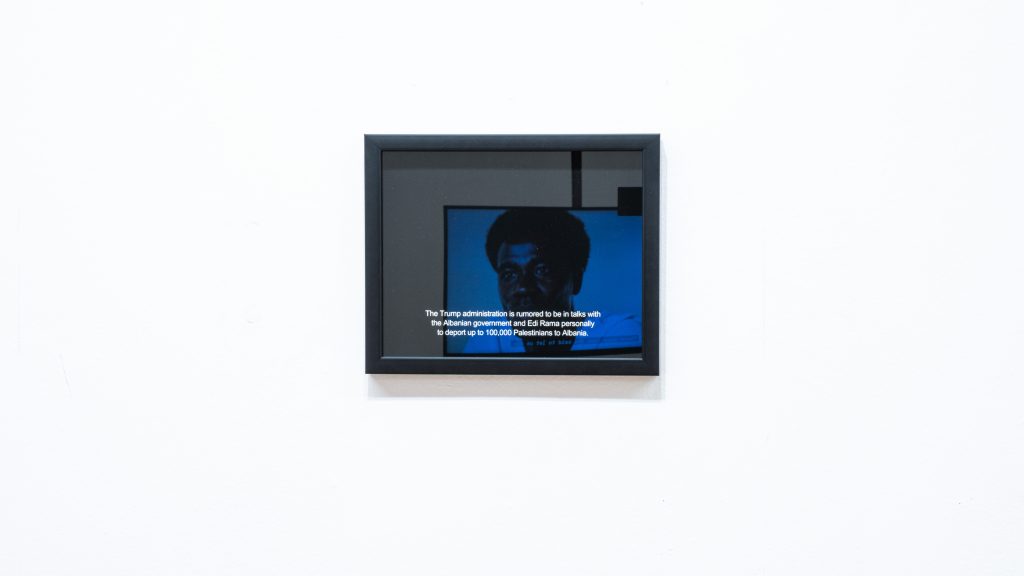
DOSJA #9: 100.000 PALESTINIANS
100.000 Palestinians
by La Société Spectrale
Rumor (Upcoming Political Deal)
B/w print on velvet paper, 25x20cm
2025
Courtesy of MANIFESTO Collective
“This is one of Albania’s greatest historical mistakes, failing to stand as a united front against one of the greatest atrocities of our time.”
The political history of Albania and its territory become even more intriguing when considering two key moments in the use of its territoriality in relation to the Middle East. During World War II, Albania is known for protecting Jews fleeing from the Nazis, welcoming them, hiding them, and helping them escape through the port of Durrës. In recognition, Albania was inducted as “righteous among the nations.” Less well known is that in the 1970s, the Albanian state actively supported the Palestinian independence movement, providing military training to PLO and Fatah members.
Today, as the world witnesses the brutal genocide of the Palestinians, the Albanian state staunchly supports the Zionist state of Israel. This situation becomes even more disturbing when the so-called Albanian art scene refuses to join the various activist initiatives operating in the country and remains steadfastly reluctant to publicly address the issue by condemning the genocide and boycotting Israel’s public cultural activities in Albania.
In this climate the rumor of “100,000 Palestinians” took hold: that the Albanian Prime Minister would be willing to welcome a significant number of Palestinians into Albanian territory, obviously without seeking anyone’s opinion, offering the use of the country’s territory in exchange for personal political favors; that Albania would absorb the victims of genocide in support of Zionism and imperialism.
Whether this rumor turns out to be true or not is irrelevant; it is a sign of a political future in the making, an upcoming political deal involving insavory figures as US President Donald J. Trump; Tony Blair, war criminal and advisor to Albanian Prime Minister Edi Rama; and Jared Kushner, Trump’s son in law and dubious investor into the billion-dollar Sazan island development project – and with Albania, which has acquired Israeli defense and intelligence technology, accessory to genocide.
METHOD AND PRAXIS was supported by: Zeta Contemporary Art Center, Debatik Center of Contemporary Art, MANIFESTO Collective and Balkan Solidarity Network.
Exhibition Display: Armando Lulaj
Exhibition Coordinator: Valentina Bonizzi
Exhibition Producer: Pleurad Xhafa